
The 2026 Wellness Pivot: 10 Habits for Improved Health and Sustainbility
How Health and Sustainability Go Together
GUIDES AND TIPS
GW Authors
4/6/20263 min read
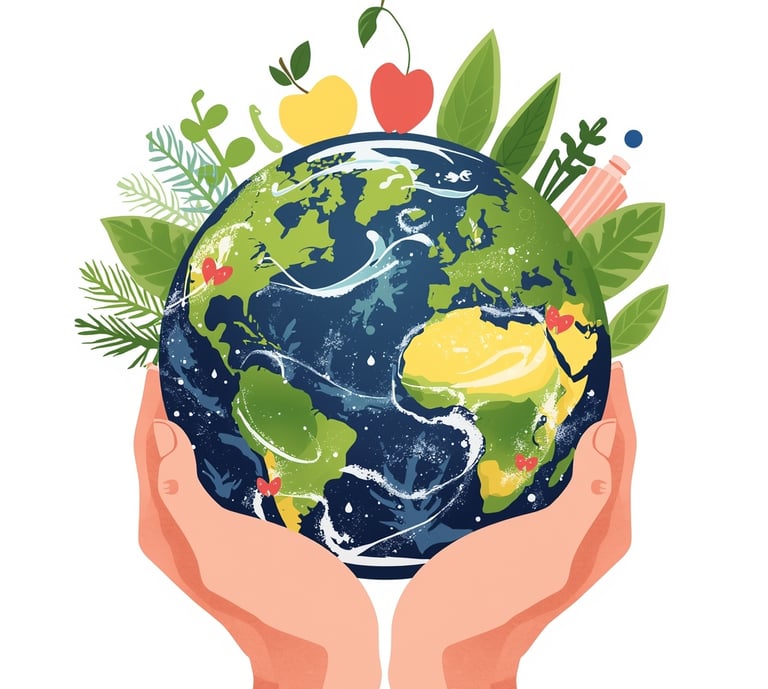
In 2026, the line between personal health and environmental health has officially disappeared. We no longer talk about "saving the planet" as a selfless act; we talk about it as a survival strategy for our own bodies. From the microplastics in our bloodstream to the carbon cost of our digital lives, to the way we consume dictates how we feel.
If you are looking to optimize your life, here are 10 science-backed habits that align your well-being with the Earth’s circular economy.
1: Manage your digital footprint
Whenever you prompt an AI or stream in 4k, there is a data center somewhere which consumes massive amount of water and electricity for cooling. So do it right, and be efficient when using it.
2: Prioritize bio - available, regenerative nutrition
The ‘Climatarian’ diet is the new standard, which doesn’t have to eliminate meat in your diet. You could for example reduce your meat intake, but not necessarily eliminate all meat. Prioritize organic meat when possible, which not only supports animal welfare, but likely healthier for you as well. There are debates whether or not organic vs non organic has the most environmental impact.
However, that shouldn’t stop you from choosing organic over non - organic, this is just advice, but if you can’t avoid meat, then consider going for organic and lower the amounts per week you consume it, that’s also more feasible financially.
3: The Thermal Reset
Many times our homes are ‘over - heated’ or ‘over-cooled’ which not only affects the environment but also affects energy bills. In the summer you can lower your thermostat with 2 degrees, and raise it in the summer, while having blackout curtains, as a ‘passive cooling effect’. In addition, if you use the oven, that additional excess heating after you’re done cooking, can warm up the kitchen and living room, even it’s just for half an hour.
4: ZERO - VOC Living
Indoor air pollution is often overlooked, when it comes to non-toxic living. You can consider purchasing an air filter, but also ensure to open your windows at least a few times a day. Obviously the air outside needs to be clean to know, you can look up the air pollution in your area simply by searching it up. This is an important yet overlooked step, your lungs can get affected especially long term.
5: Think of ‘Pre-cycling’
You should think of recycling as the last resort, and how to reduce waste from entering the home. Think also of purchasing things that last longer such as aluminium bottles, toothbrushes, clothes, well basically everything. It’s a long term investment, which pays itself in many ways, also you’re reducing your contact with endocrine disruptors such BPA and Phthalates.
6: Hydration done correctly
We mentioned briefly BPA bottles, and how the can affect your hormones which also affects the environment. Therefore if you invest in a water filter, you are saving a lot of plastic and a lot less hormonal harmony if you could call it that.
7: Circular Fashion
The fashion industry is responsible for around 10% of global carbon emissions. Aim for sustainable fashion brands and circular economy clothing, you not only feel better, many times the clothes are even better and more durable.
8: Active Transport
Commuting to work has been used for many decades in our modern times. If you’re far from walk then perhaps a car is the only option. However if work is closer to you, and there are road bikes then a bike is a great investment. In Europe there are many cities with good cycling routes, as well as a culture of using bikes. These are mostly in central Europe and nordic countries, such as Sweden, Norway, Finland, Netherlands, Belgium, Germany and more. In the U.S it’s not as prevalent, but more depends of the state and region you live in.
9: Personal care products and zero-waste bathroom
Most of the products we've seen in the last century are mostly harmful to us, and the environment, it’s only in recent years where we’ve been able to understand the problems, and mitigate them. One of these ways are through products we put on our skin, such as shampoo, hand soap, gels, deodorants etc. All these things should be your priority, we are focused on this blog on sustainability, but we’re also part of the larger eco system, so taking care of yourself is taking care of the planet. You can look around in our blog for personal care products we’ve checked with our expertise, and you’re free to check there if you want.
10: Eco - Social Connections
It’s important to be part of a community which supports your values and views about the environment, we’re social creatures. If you have the option to join a local one, then we recommend giving it a look at least. Being social also increases oxytocin, the happy hormone, they call it, and can give you a break from the phone as well.
Why this matters in 2026
Living "eco-friendly" is no longer a niche hobby; it is a high-performance lifestyle. By reducing your environmental impact and carbon output, you aren't just preserving the planet, you are building a more resilient, energetic version of yourself.
Contacts
greenlyworld@hotmail.com