
7 Eco Friendly Alternatives to Aluminium Foil
Discover the hidden impacts on the environment of aluminium foil and the best alternatives
GUIDES AND TIPS
GW Authors
5/25/20269 min read
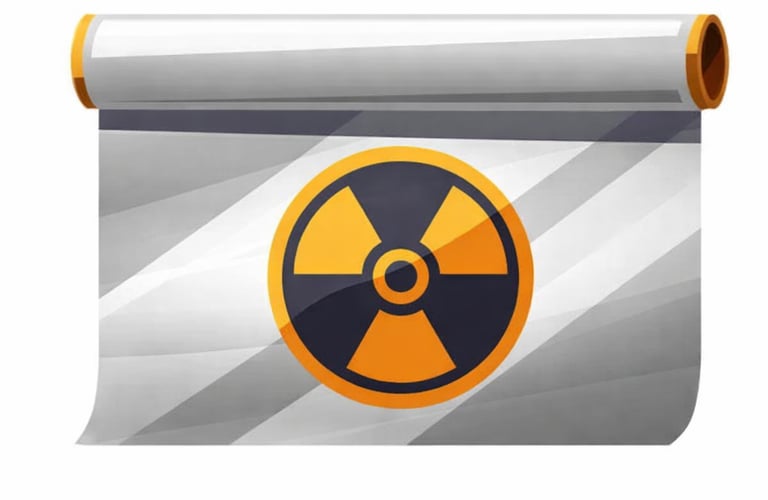
A Guide to Living Without Aluminium Foil
There's a roll of aluminium foil in almost every kitchen on the planet. It's one of those products so embedded in how we cook that most people have never stopped to question it. I didn't, not for years.
Then I did. And what I found wasn't pretty.
This isn't a guilt-trip piece. It's a practical guide to understanding what aluminium foil actually costs us, environmentally and otherwise, and what genuinely works in its place. I've tested most of these swaps in my own kitchen, and I'll be straight with you about which ones are worth it and which ones come with caveats.
Table of Contents
The Real Cost of That Kitchen Staple
7 Alternatives Worth Switching To
3 Foil-Free Cooking Hacks Nobody Talks About
Bonus: Two More Worth Knowing About
Where to Start
The Real Cost of That Kitchen Staple
Aluminium foil feels like a minor, forgettable product. It's not.
From mountain to kitchen drawer
Every sheet starts underground as bauxite ore. Mining it at scale means stripped landscapes, disrupted ecosystems, and water contamination in surrounding communities. The ore then goes through two energy-intensive transformation processes before it becomes the shiny roll you reach for first refined into alumina, then smelted through the Hall-Héroult process, which is one of the most electricity-hungry industrial operations on earth. That electricity typically comes from fossil fuels, releasing CO₂, methane, and nitrous oxide along the way. As an industry, aluminium production accounts for roughly 2.5% of total global CO₂ emissions.
That's a significant planetary tab for something we tear off, use once, and throw away.
The recycling myth
Most people feel okay about using foil because they figure they'll recycle it. The problem: the moment foil has any food residue on it, which is essentially always, most recycling centres won't accept it. It heads straight to landfill, where it sits for approximately 400 years before fully breaking down.
There's a genuine silver lining here though. Recycling aluminium when done properly uses around 95% less energy than producing virgin aluminium. So if you do use foil, a quick rinse before recycling actually matters. It's not a throwaway gesture.
Health: the honest picture
Aluminium can leach into food when it's used for cooking, particularly with acidic ingredients, tomatoes, citrus, wine, vinegar. Some research has flagged neurological concerns at high exposure levels, though the amounts from typical home cooking are generally considered within safe limits. It's not a crisis, but it's a valid reason to reach for something else when you can.
7 Alternatives Worth Switching To
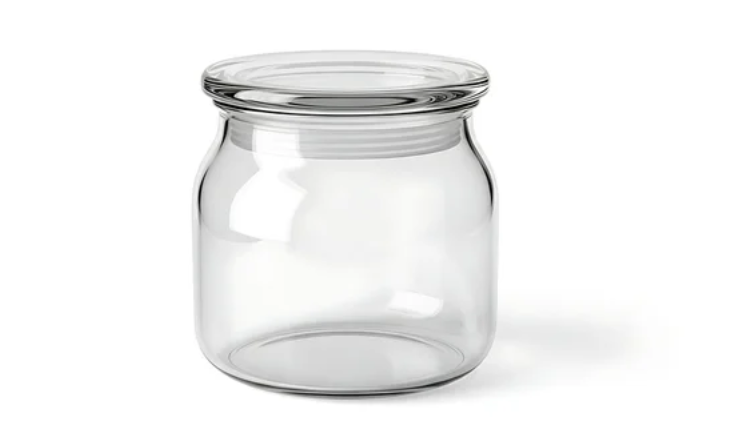
1.Glass Containers, The Basic One
Let's start with the simple solution, because it's the best one.
Glass containers don't require any adjustment to how you cook or eat. You're still putting food in a container, it's just a container that'll outlast your kitchen renovation. Glass doesn't absorb smells or stains (the eternal tomato sauce problem of plastic), you can see exactly what's inside without opening anything, and most are oven-safe so you can cook and store in the same vessel.
The "see-through" aspect matters more than you'd think. When leftovers are visible, they get eaten. When they're mystery-wrapped in foil at the back of the fridge, they get forgotten. Glass containers genuinely reduce food waste, not just packaging waste.
Use it for: Leftovers, meal prep, batch cooking, fridge and freezer storage.
Bonus tip: Go for containers with bamboo or silicone lids to avoid BPA-lined plastic altogether.
2.Beeswax Wraps
I was skeptical about these. They looked like a craft project solution to an industrial problem. I was wrong.
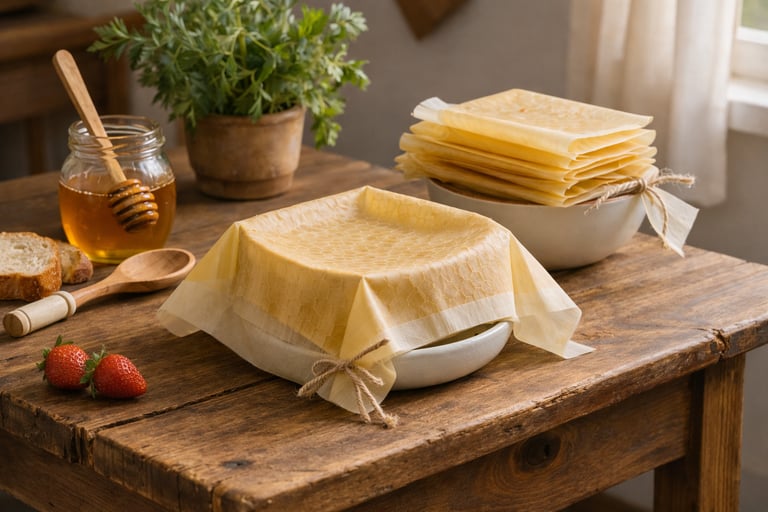
Beeswax wraps are cotton fabric infused with beeswax, tree resin, and jojoba oil. You warm them between your palms for a few seconds, mould them around whatever you're covering, and they hold their shape as they cool creating a surprisingly secure seal. They're naturally antibacterial, breathable (which makes them better than foil or clingfilm for cheese and bread), and rinse clean with cold soapy water.
After a year or two of use, they compost cleanly. The whole lifecycle is exactly what eco-friendly products should look like.
Use it for: Wrapping cut fruit and veg, covering bowls, sandwiches, packing snacks.
Avoid: Raw meat, and anything very hot, heat breaks down the wax.
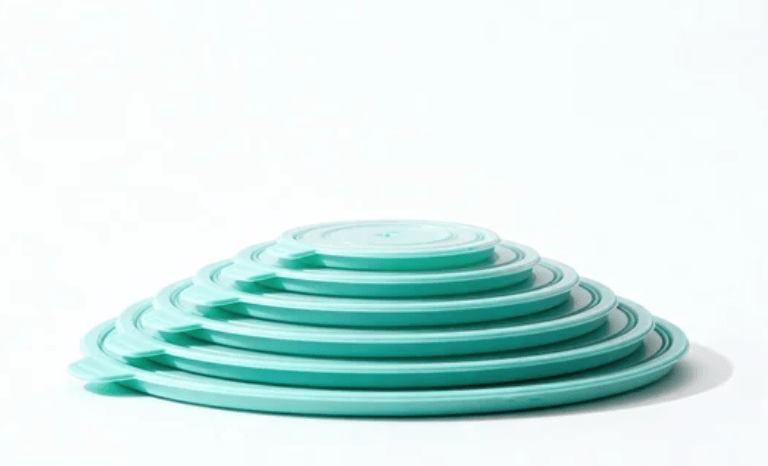
3.Silicone Stretch Lids
If your main use for foil is throwing it over a bowl of leftovers headed for the fridge, silicone stretch lids are the switch you'll wonder why you didn't make sooner.
They come in sets spanning small to large and will stretch to fit bowls, plates, cups, opened tins, essentially anything with a rim. Airtight seal, dishwasher safe, and durable enough to last years without degrading. I've been using the same set for three years. They look exactly the same as the day I bought them.
One caveat: buy food-grade, FDA-approved silicone. Cheap, unverified silicone can leach chemicals into food, ironic given why you're making the switch.
Use it for: Covering leftovers, sealing open tins and jars, keeping cut fruit fresh.
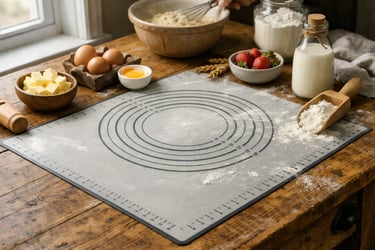
4.Silicone Baking Mats
If you're lining baking trays with foil or parchment, a silicone baking mat will feel like a revelation about six uses in.
You put it down. You bake on it. You wipe it. You're done. No cutting squares, no waste, no scrubbing carbonised food off the tray. They handle up to around 250°C and are rated for thousands of uses. The maths on these versus ongoing parchment paper purchases is embarrassingly one-sided.
Same rule as silicone lids: food-grade only, and respect the manufacturer's maximum temperature.
Use it for: Roasting veg, baking anything you'd normally line a tray for, setting chocolates and caramels.
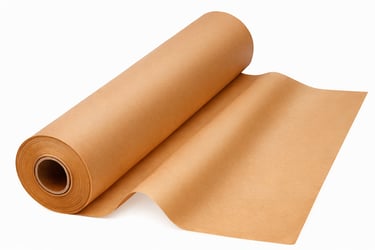
5.Unbleached Parchment Paper
Parchment paper deserves a more honest assessment than it usually gets in these articles.
Unbleached, untreated parchment paper is genuinely a step up from foil, it's a natural product, and when clean enough, it can be composted. The problem is that most parchment paper on supermarket shelves has been treated with silicone or PFAS-family chemicals to improve non-stick and heat resistance. Treated versions can't be composted and end up in landfill just like foil.
If you're going to use it, look specifically for unbleached, untreated versions. And accept that it's a stepping stone, still single-use, still a compromise.
Use it for: Lining baking tins with complex shapes where mats don't fit, rolling out pastry, wrapping food for the freezer.
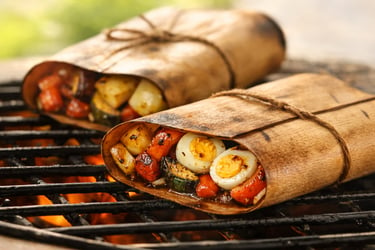
6.Cedar Wraps
This one's for anyone who grabs foil the moment the BBQ comes out.
Cedar wraps are thin sheets of sustainably harvested cedar wood. Soak them for 15–20 minutes, wrap them around fish, chicken, vegetables, or whatever you're cooking, and put them straight on the grill. They protect the food from direct heat, keep everything moist, and add a subtle, genuinely lovely smoky wood flavour you just can't get any other way.
They're single-use, but compostable, toss them in a garden compost heap and they'll break down within weeks. And they make ordinary grilling feel like something you've put a bit of thought into. Which, to be fair, you have.
Use it for: Grilling fish (especially salmon), chicken portions, asparagus and delicate veg outdoors.
7.Fabric Food Covers
No waste. Washable. Often free. These are the alternatives with the best environmental story by a distance.
Fabric food covers are circles of fabric (cotton, linen, or anything breathable) that sit over bowls, plates, and dishes. Some have elasticated edges, some tie with string, some just drape. They keep food protected from dust and insects, great for summer picnics, look genuinely nice on a table, and go straight in the washing machine.
The best part: you can make them yourself from old bed sheets, tea towels, or cotton shirts. No sewing required for the basic version. Cut a circle, done. This is the zero-waste option at its most literal.
Use it for: Covering food on picnic tables, resting dough on the counter, protecting fruit bowls.
3 Foil-Free Cooking Hacks Nobody Talks About
1. Build a natural barrier instead of a foil parcel
The whole reason we wrap things in foil on the grill is to protect delicate food from direct, aggressive heat. But ingredients do that job just as well, and they add flavour while they're at it.
Thick lemon slices under salmon? Protects the fish from the grill and brightens the whole thing with citrus steam as it cooks. Rounds of onion under a steak? Elevates the meat off the grate and caramelises beautifully underneath. A Himalayan salt block is the upgrade version, it retains heat evenly, seasons the food naturally, and doubles as a serving platter that looks spectacular on the table. Once you try any of these, the foil parcel method feels strangely primitive by comparison.
2. Stop pre-wrapping your oven roasts
This is the habit that's hardest to shake, because generations of home cooks swear by it. The foil tent over the roasting tray. The wrapped jacket potato. The sealed parcel of root veg.
For most of it, you don't need it. A good glass or cast iron roasting dish, a proper coating of oil, and the right oven temperature produce better results than foil-steamed food, crisper edges, better caramelisation, more developed flavour. The slightly charred corners of roasted vegetables aren't a problem to be prevented. They're the point. Try roasting your veg fully uncovered for a month and see if you ever go back.
For jacket potatoes specifically: prick them all over, rub generously with olive oil and sea salt, and bake at 180°C for 90 minutes. No foil. The skin goes properly crispy in a way that foil-baked potatoes never manage.
3. Use a lid (the thing your pan already came with)
This one is almost embarrassingly simple, and yet foil has somehow replaced it in most kitchens.
If you need to cover something in the oven to retain moisture, a braise, a casserole, a whole chicken in its early stages your cookware almost certainly has a lid designed exactly for this. A heavy cast iron lid traps steam more effectively than foil does. A large oven-proof frying pan inverted over a roasting dish works perfectly. Parchment paper cut into a circle and pressed directly onto the surface of a stew (a cartouche, if you want to impress people) does the same job as a foil cover with zero waste.
The solutions were already there. We just defaulted to foil because it was easier to reach for.
Bonus: Two More Worth Knowing About
These didn't make the main list because they're more niche, but depending on how you cook, they might be exactly what you need.
Grill Basket
If cedar wraps feel fiddly or you're mostly grilling vegetables, a heavy-duty stainless steel grill basket is a permanent, zero-waste solution. Everything goes in, courgette, peppers, mushrooms, halloumi, you shake it around over the heat, and nothing falls through the grates. A one-time purchase that lasts indefinitely, no ongoing waste whatsoever.
Reusable Aluminium Foil
Made from thicker recycled aluminium, designed to be washed and used multiple times. It's not a clean break from the material, and production is still energy-intensive. But if you're genuinely not ready to change how you cook, this reduces your consumption without requiring any behavioural shift. Think of it as a stepping stone rather than a destination.
Where to Start
You don't need to replace everything at once. That kind of overhaul is expensive, overwhelming, and honestly not necessary.
Pick the swap that matches how you actually use foil most. If it's covering bowls in the fridge, start with silicone lids. If it's lining baking trays, one silicone mat handles it. If you're constantly wrapping food to-go, beeswax wraps are worth the small investment.
Make one change, live with it for a month, then make another. That's it. That's the whole approach.
The goal isn't a perfectly zero-waste kitchen by next Tuesday. It's a kitchen where foil is the exception rather than the rule, pulled out for the rare situation where nothing else works, rather than the first thing you reach for.
Hope you find something useful for inspiration besides using aluminium foil.
Healthy living is green living.
Peace.

Contacts
greenlyworld@hotmail.com